Mobile payment in auto service refers to any digital transaction method that lets car owners pay for repairs and maintenance through a smartphone, tablet, or mobile device, without handing over a physical card or writing a check. The role of mobile payment in auto service has grown sharply in 2026, driven by car owners who expect the same fast, frictionless checkout they get at coffee shops and grocery stores. Technologies like text-to-pay, mobile wallets, and contactless card readers now handle everything from oil change invoices to major engine repairs. Text-to-pay adoption has grown fivefold as of march 2026, a clear signal that the industry is catching up to consumer expectations.
How do mobile payments work in auto service settings?
Mobile payments in auto repair fall into three main categories, each solving a different part of the checkout problem.
Text-to-pay sends the customer an SMS link tied directly to their invoice. The customer taps the link, reviews the charges, and enters card details on their own device. The shop receives confirmation within seconds. This method works especially well for mobile mechanics who complete a job at a customer’s home or office and need payment before driving to the next call.
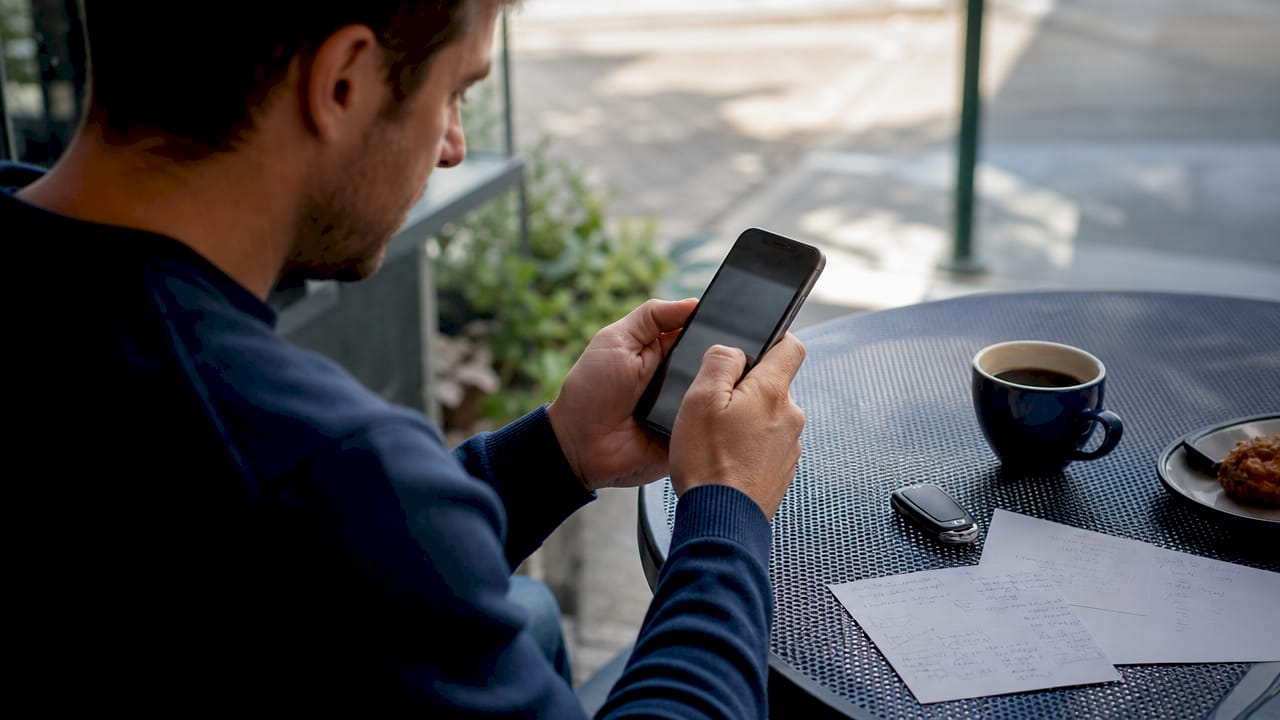
Mobile card readers like those from Square or Stripe attach to a smartphone or tablet and accept contactless tap payments, chip cards, and magnetic stripe swipes on site. These devices give technicians a physical backup when a customer prefers to tap their phone or watch rather than click a link. Combining tap-to-pay with chip reader backups prevents payment failures caused by poor cell reception or a drained device battery.
Shop management software integration connects payment processing directly to repair orders. Platforms like Mitchell 1 or Shop-Ware can generate a pay-by-link from within the work order, so the invoice and payment record stay in sync automatically. This removes the manual step of reconciling cash or checks against service tickets at the end of the day.
- Text-to-pay: customer pays remotely via SMS link before or after service
- Tap-to-pay: contactless payment at the vehicle using a mobile card reader
- Pay-by-link: invoice link sent by email or text, customer enters card details themselves
- Integrated shop software: payment tied directly to the repair order for automatic reconciliation
Pro Tip: Always carry a mobile card reader with chip insertion capability as a backup. If your text-to-pay link fails due to a dead phone or spotty signal, the physical reader keeps the transaction moving.
What advantages do mobile payments offer car owners?
Speed is the most immediate advantage. Mobile payments complete transactions within minutes of service rather than requiring a trip to the counter or a follow-up phone call. For a driver who just had a battery replaced in a parking lot, that means paying and moving on in under two minutes.
Flexibility matters just as much. A car owner can receive a text-to-pay link while still at work, review the itemized invoice on their lunch break, and approve payment before the mechanic even packs up the tools. This removes the awkward moment of standing at a shop counter reviewing a paper invoice under pressure.
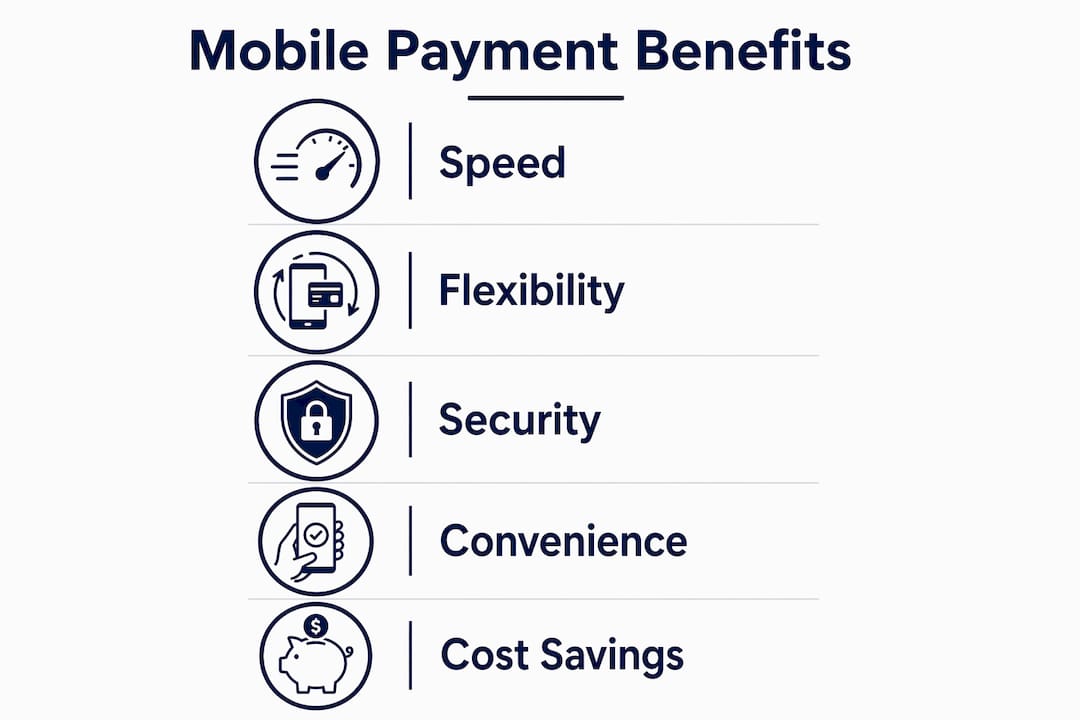
Security is a genuine improvement over older methods. Giving a card number verbally over the phone is a card-not-present transaction with no encryption and no receipt trail. Pay-by-link systems shift card detail entry to the customer’s own device, reducing the shop’s exposure to data liability. Pay-by-link systems reduce merchant liability and processing costs compared to keyed-in transactions.
Transparency rounds out the benefits. Digital invoices sent before payment show every line item, part cost, and labor charge. Car owners can question a charge before paying rather than disputing it after the fact. Digital payment integration improves customer retention for auto service businesses, and that retention starts with the customer feeling informed at checkout.
- Faster checkout: payment done in minutes, not days
- Remote payment: pay from anywhere via phone before picking up the vehicle
- Better security: no verbal card sharing, encrypted links only
- Full transparency: itemized digital invoice reviewed before payment is confirmed
Challenges of mobile payment adoption in auto service
Mobile payment adoption is not without friction, and car owners benefit from understanding where the rough edges are.
1. Merchant account classification. Mobile mechanics face unique risk classification challenges because they operate across variable locations and often handle deposits, split payments, and high-ticket repairs. Standard merchant accounts may flag these patterns and place holds on funds. Specialized automotive merchant accounts are built for this payment profile and reduce the chance of a funding delay right after a job.
2. Connectivity and device reliability. A mobile mechanic working in a parking garage or a rural area may have weak signal. Relying on a single payment method in those conditions is a real risk. Carrying a mobile card reader with offline capability or chip insertion backup solves this problem directly.
3. Higher fees for card-not-present transactions. Keyed-in transactions cost 0.3% to 0.5% more in processing fees than card-present transactions. On a $600 repair, that difference is $1.80 to $3.00 per job. Shops that shift customers to self-entered pay-by-link reduce this cost because the customer enters their own card data, which lowers the risk tier.
4. Customer awareness. Some car owners, particularly those less comfortable with smartphones, may hesitate when they receive a payment link by text. A brief explanation from the technician, “You’ll get a text with a secure link to pay,” removes that hesitation before it becomes a problem.
Pro Tip: Ask your auto service provider upfront which payment methods they accept. Knowing whether text-to-pay, tap-to-pay, or a card reader is available helps you prepare and avoids any checkout surprises after the work is done.
Mobile payments vs. traditional auto service payments
The difference between mobile and traditional payment methods shows up most clearly in three areas: time, cost, and customer experience.
Traditional payment at the shop counter requires the car owner to be physically present, wait for the invoice to be printed, and hand over a card or cash. For a mobile mechanic job completed at a customer’s home, that model simply does not apply. Outdated payment processes reduce repeat business by creating friction at the final and most memorable moment of the service interaction.
Phone payments, where a customer reads card numbers to a staff member, carry the highest processing fees and the greatest security risk. They also require a staff member to be available to take the call, adding labor cost to every transaction.
| Payment method | Speed | Convenience | Cost to merchant | Security |
|---|---|---|---|---|
| Text-to-pay link | Minutes | High: pay from anywhere | Lower fees (customer-entered) | High: encrypted link |
| Tap-to-pay / card reader | Seconds | High: no card needed | Standard card-present rate | High: tokenized |
| Phone (keyed-in) | Minutes | Low: requires staff | Highest fees (card-not-present) | Low: verbal card sharing |
| Cash | Immediate | Low: requires exact change | No processing fee | Medium: theft risk |
| Counter card swipe | Minutes | Low: requires presence | Standard card-present rate | Medium: physical card handling |
Integrating payment processing as a core workflow element reduces cancellations and no-shows while making bookkeeping faster. Shops that adopt mobile payment options report stronger customer satisfaction scores and faster cash flow compared to those still relying on counter-only or phone payments.
Key Takeaways
Mobile payments are the fastest, most secure, and most flexible way for car owners to pay for auto service, and shops that adopt them see measurable gains in retention and cash flow.
| Point | Details |
|---|---|
| Text-to-pay is growing fast | Adoption grew fivefold by march 2026, making it the leading mobile payment method in auto service. |
| Pay-by-link cuts costs and risk | Customer-entered payment links reduce processing fees by 0.3%–0.5% and lower merchant data liability. |
| Redundancy prevents payment failure | Pairing text-to-pay with a chip card reader backup keeps transactions moving when connectivity fails. |
| Digital invoices build trust | Itemized invoices sent before payment give car owners full visibility and reduce post-service disputes. |
| Mobile payments improve retention | A 2026 study found digital payment integration directly correlates with stronger long-term customer loyalty. |
Why mobile payments will define the next phase of auto service
The shift to mobile payments in auto service is not a trend. It is a structural change in how car owners expect to interact with any service business. The final payment moment is the last impression a shop leaves, and clunky checkout processes cost shops repeat customers more reliably than any other friction point in the service cycle.
What most articles miss is the competitive angle for mobile mechanics specifically. A mobile mechanic who accepts tap-to-pay, sends a text-to-pay link, and emails a digital receipt looks and operates like a professional business. A cash-only competitor does not. Mobile mechanics with integrated payment processing see fewer no-shows because customers who have already reviewed a digital invoice feel committed to the appointment.
The practical advice I would give any car owner is simple: before you book any auto service, ask how they handle payment. If the answer is cash only or “we’ll call you for your card number,” that tells you something about how the rest of the operation runs. A shop or mobile mechanic that has invested in text-to-pay and contactless card readers has also likely invested in digital work orders, upfront pricing, and professional communication.
Mobile payment adoption should complement other payment methods, not replace them entirely. The best providers offer text-to-pay as the primary option, a tap-to-pay card reader as the on-site backup, and cash as a last resort. That combination covers every customer and every connectivity scenario without leaving money on the table.
— Aaron
Onsite Los Angeles Mobile Mechanic and modern payment convenience
Onsite Los Angeles Mobile Mechanic brings professional auto repair directly to your driveway, office, or parking lot anywhere in the greater Los Angeles area. The service is built around convenience, and that includes how you pay.
Car owners can call 213-583-4159 to book a service appointment and get an upfront quote with no hidden fees. Onsite Los Angeles Mobile Mechanic handles payment professionally at the point of service, so you are never chasing an invoice or standing at a counter. For drivers who want to understand how onsite car repair works before booking, the process is straightforward from first call to final payment. Fast, transparent, and handled at your location.
FAQ
What is text-to-pay in auto service?
Text-to-pay is a mobile payment method where the auto service provider sends the customer an SMS link tied to their invoice. The customer clicks the link, reviews charges, and enters payment details on their own device.
Are mobile payments secure for car repairs?
Mobile payments are more secure than giving card numbers verbally over the phone. Pay-by-link systems encrypt the transaction and shift card entry to the customer’s device, reducing the shop’s data exposure.
Do mobile mechanics charge more for mobile payment processing?
Keyed-in card transactions cost merchants 0.3% to 0.5% more than card-present transactions. Reputable mobile mechanics use customer-entered pay-by-link or tap-to-pay to keep fees at standard rates.
What if the mobile mechanic has no signal for payment?
A mobile mechanic with a chip card reader can process payments offline or switch to chip insertion when cell signal is weak. Payment redundancy with a physical card reader is the standard solution for field-based auto service providers.
How do mobile payments affect customer loyalty in auto service?
Digital payment integration correlates directly with improved customer retention for auto service businesses. Customers who experience a fast, transparent checkout are significantly more likely to return and recommend the service.