Most car owners assume that fixing a vehicle means driving to a shop, waiting in a lobby, and hoping the bill doesn’t surprise them. That assumption costs time, money, and stress. What is neighborhood mechanic service? It’s a model that flips that experience entirely. Instead of you going to the repair, the repair comes to you. Whether you’re parked at home, at work, or stuck in a lot, a neighborhood mechanic shows up with the tools and training to get your car running again without the tow truck or the waiting room.
Table of Contents
- Key takeaways
- What is neighborhood mechanic service and how it works
- Benefits of choosing a neighborhood mechanic
- Common services and when to use them
- How to choose a reliable neighborhood mechanic
- Neighborhood mechanics vs. dealerships and chain shops
- My take on neighborhood mechanics and where they’re headed
- Get on-site car repair from Onsite Los Angeles Mobile Mechanic
- FAQ
Key takeaways
| Point | Details |
|---|---|
| On-site service model | Neighborhood mechanics come to your location, eliminating the need to visit a shop. |
| Wide service range | Oil changes, battery replacements, brake work, and diagnostics are all handled on-site. |
| Cost advantage | Local mechanics typically charge less than dealerships, with transparent, upfront pricing. |
| Trust through certification | ASE-certified mechanics provide verified technical skill and professional accountability. |
| Faster turnaround | Many common repairs are completed within an hour, reducing vehicle downtime significantly. |
What is neighborhood mechanic service and how it works
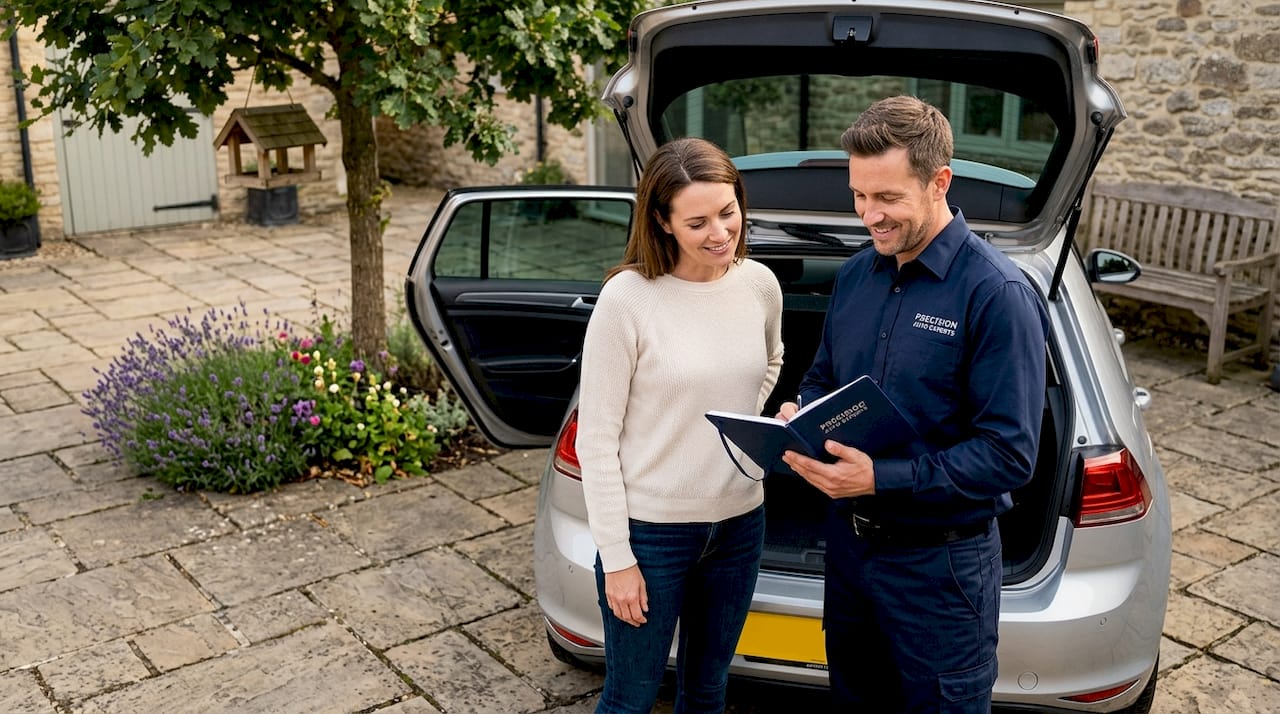
A neighborhood mechanic service is exactly what it sounds like. A qualified technician travels to wherever your car is parked and performs repairs or maintenance on the spot. No towing. No shuttle. No sitting in a waiting room watching cable news.
The operational model is straightforward. You call or text to describe the problem, receive an upfront quote, schedule a time, and the mechanic arrives at your location. Mobile services reduce downtime by meeting clients at home or the workplace, which is a practical advantage most traditional shops simply cannot offer.
Here’s what neighborhood mechanics typically handle on-site:
- Oil and filter changes
- Battery testing and replacement
- Brake pad and rotor inspection or replacement
- Check engine light diagnostics
- Alternator and starter repairs
- Air filter replacement
- Tire pressure checks and minor tire-related issues
- Belts, hoses, and fluid top-offs
Neighborhood mechanics handle simple maintenance efficiently without requiring a shop visit, making them a practical option for routine upkeep and many common repairs.
Pro Tip: When you call to schedule service, describe your symptoms as specifically as possible. “My car won’t start and I hear a clicking sound” gives a mechanic far more to work with than “something’s wrong.” It speeds up diagnosis and often reduces your bill.
Benefits of choosing a neighborhood mechanic
The convenience factor is obvious, but the financial case is just as strong. Local auto repair services typically offer more affordable pricing than dealerships, with flexible rates and fewer minimum charges built into the estimate.
Consider what you actually save when a mechanic comes to you. You skip the tow truck fee, the Uber home, the half-day of missed work, and the upsell pressure that often comes with dealership service advisors. Those costs add up fast.
Here are the core benefits that make neighborhood mechanics worth considering:
- Time savings. No commute to a shop, no drop-off window, no pickup coordination.
- Transparent pricing. Reputable neighborhood mechanics provide quotes before touching the car.
- Personalized service. You deal with one technician who knows your vehicle’s history.
- Reduced downtime. Many jobs are done in under an hour at your location.
- Lower emissions. Reducing drive time to shops lowers fuel consumption and emissions, which matters in dense urban areas like Los Angeles.
The pricing difference is real. Labor rates vary by state, ranging from under $100 to over $200 per hour, and dealerships typically sit at the top of that range. A neighborhood mechanic operating with lower overhead can pass those savings directly to you.
Local mechanics build personal relationships that lead to more trustworthy and transparent service over time. That’s not just a feel-good statement. It means your mechanic is more likely to tell you what actually needs fixing now versus what can wait, rather than padding a work order.
Common services and when to use them
Understanding what a neighborhood mechanic can and cannot do helps you set realistic expectations. The good news is that the list of on-site-capable repairs is longer than most drivers realize.
| Service | On-site capable? | Notes |
|---|---|---|
| Oil and filter change | Yes | One of the fastest on-site jobs, often under 30 minutes |
| Battery replacement | Yes | On-site diagnostics and battery replacement are standard mobile services |
| Brake pad replacement | Yes | Requires basic tools most mobile mechanics carry |
| Check engine light scan | Yes | OBD-II diagnostics are fully portable |
| Alternator replacement | Yes | Doable on-site for most vehicle makes |
| Transmission rebuild | No | Requires a lift and specialized shop equipment |
| Major engine overhaul | No | Not practical without a full shop setup |
| AC recharge | Sometimes | Depends on equipment the mechanic carries |
Mobile mechanics perform diagnostics and typical maintenance at the customer’s location, which covers the majority of what most drivers need on any given month. The repairs that genuinely require a shop, like a full transmission rebuild or an engine swap, are the exception rather than the rule.
Think about the last three times you took your car in for service. Odds are, at least two of those visits were for something a neighborhood mechanic could have handled in your driveway.
How to choose a reliable neighborhood mechanic
Not every mechanic who shows up with a toolbox is the right one for your car. Here’s how to find someone worth trusting.
- Check for ASE certification. Over 250,000 ASE-certified individuals hold credentials that validate technical knowledge and professionalism. Ask directly before booking.
- Read local reviews. Google, Yelp, and neighborhood apps like Nextdoor are honest sources. Look for patterns in feedback, not just star ratings.
- Ask about warranties. A mechanic who stands behind their work will offer some form of service guarantee. If they won’t, that tells you something.
- Get a written quote first. Transparent pricing and clear communication are signs of a trustworthy mechanic. Anyone who resists giving you a number upfront is a red flag.
- Build a relationship over time. The best community mechanic is one who knows your car’s history. Sticking with one technician for routine work pays off in better, faster diagnosis down the road.
Pro Tip: Ask the mechanic if they’ve worked on your specific make and model before. Experience with your vehicle type matters more than general credentials alone, especially for European or older American models with quirks.
You can also check pricing context against published car service cost guides to make sure the quote you receive is in a reasonable range for your area and repair type.
Neighborhood mechanics vs. dealerships and chain shops
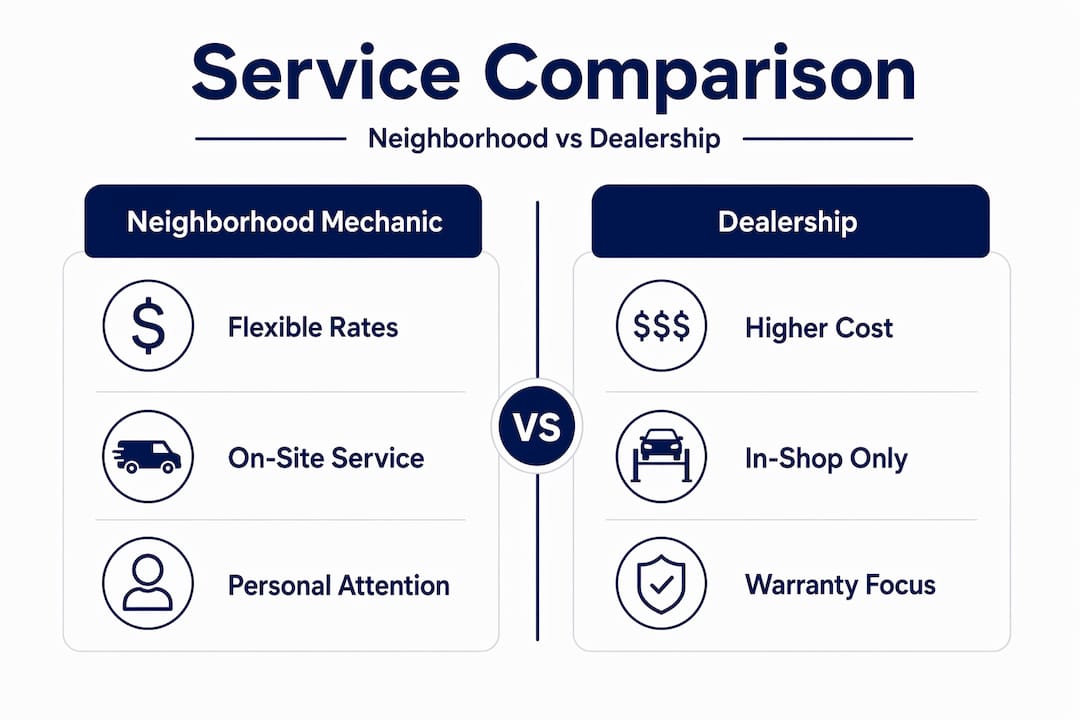
The differences between these three options go beyond price. Each has a specific context where it makes the most sense.
| Category | Neighborhood mechanic | Chain shop | Dealership |
|---|---|---|---|
| Cost | Lowest, flexible pricing | Mid-range, standardized | Highest, corporate pricing |
| Convenience | Comes to you | You go to them | You go to them |
| Speed | Often under 1 hour | Varies, often same-day | Often 1 to 3 days |
| Expertise | Generalist, ASE-certified | Generalist, varies | Brand-specific specialists |
| Personal relationship | High | Low | Low |
| Best for | Routine maintenance, common repairs | Multi-point inspections | Warranty work, recalls |
Dealerships make sense when your car is under warranty, when a recall is involved, or when the repair requires proprietary diagnostic software that only the manufacturer provides. Outside of those situations, you are often paying a premium for a brand name on the building.
Chain repair shops sit in the middle. They offer consistency across locations but rarely the personalized attention or pricing flexibility of a neighborhood mechanic. Cutting car repair costs often comes down to choosing local over corporate when the repair type allows for it.
The honest answer is that for the majority of what your car needs, a certified neighborhood mechanic is faster, cheaper, and more convenient than either alternative.
My take on neighborhood mechanics and where they’re headed
I’ve watched the neighborhood mechanic model grow from a niche workaround into a legitimate first choice for urban drivers, and I think most people still underestimate how capable these services have become.
The skepticism I hear most often is about quality. People assume that if a mechanic isn’t in a building with a lift and a waiting room, they must be cutting corners. That’s simply not accurate. A certified technician with a well-stocked van can handle the same jobs a shop does for 80% of what your car will ever need. The tools have gotten better, the diagnostic equipment is fully portable, and the mechanics doing this work often have more real-world experience than the newest hire at a dealership.
What I find genuinely undervalued is the relationship factor. When you use the same neighborhood mechanic consistently, they know your car. They remember that your battery was borderline six months ago, or that you mentioned a noise that turned out to be nothing. That institutional knowledge saves money and prevents misdiagnosis.
The area where I think neighborhood mechanics still need to earn more trust is in professionalism and communication. The best ones give written quotes, show up on time, and explain what they did and why. The ones who don’t are the reason the skepticism exists. When you find a mechanic who operates with that level of transparency, hold onto them.
— Aaron
Get on-site car repair from Onsite Los Angeles Mobile Mechanic
If you’re in the Los Angeles area and you’re done rearranging your schedule around a repair shop, Onsite Los Angeles Mobile Mechanic is worth a call. The service covers a broad range of mobile mechanic services including oil changes, brake repair, battery replacement, engine diagnostics, and alternator work, all performed at your location with upfront pricing and no hidden fees.
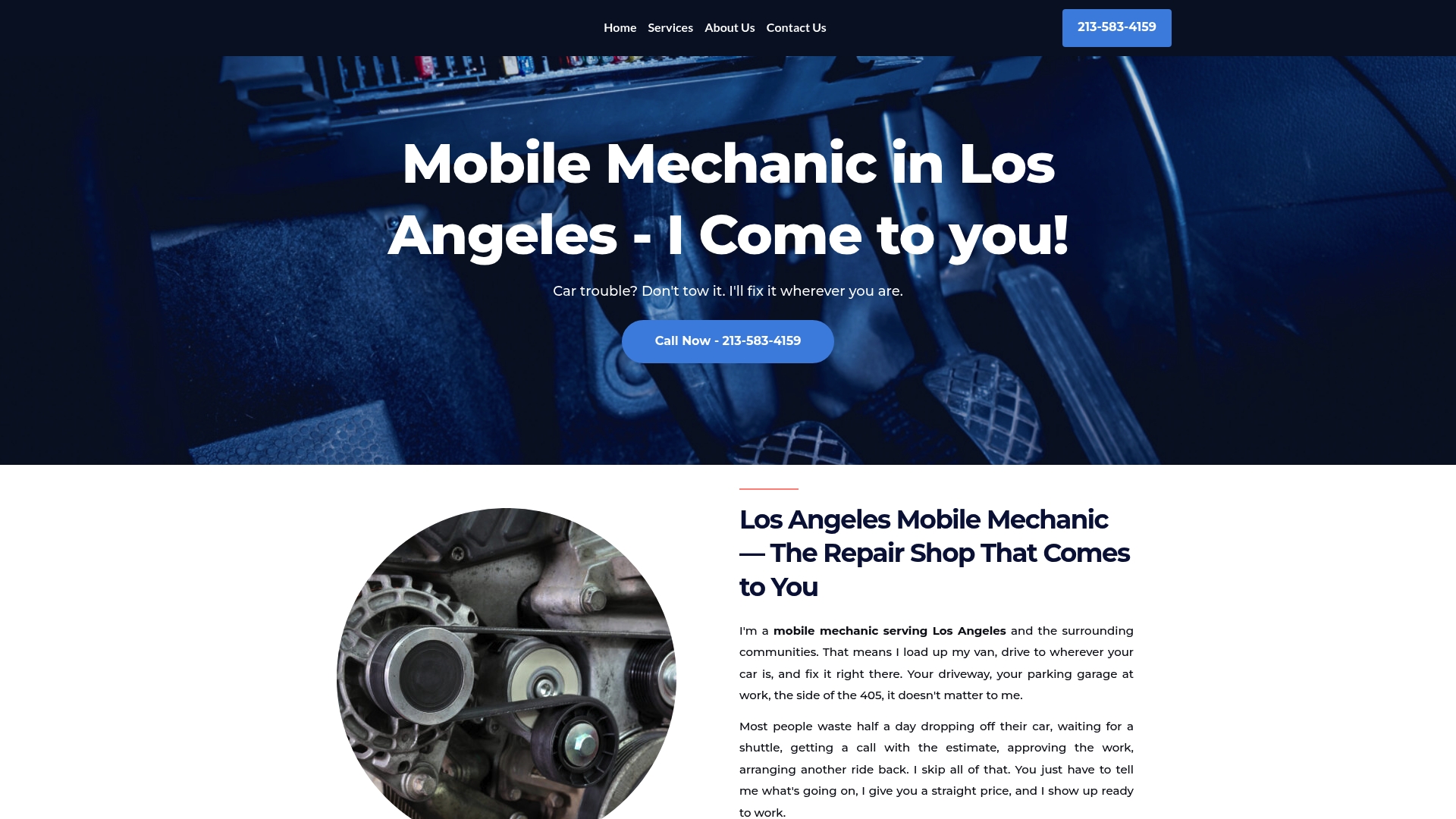
Onsite Los Angeles Mobile Mechanic serves drivers across greater Los Angeles, including Long Beach, Pasadena, and Burbank. Many jobs are completed in under an hour, and every service comes with a Fixed Right Guarantee so you know the work is backed. To book, simply call 213-583-4159 and a technician will come to you.
FAQ
What is a neighborhood mechanic service?
A neighborhood mechanic service is a mobile or locally based auto repair option where a certified technician comes to your location to perform maintenance and repairs on-site, without requiring you to visit a shop.
What repairs can a neighborhood mechanic do on-site?
Neighborhood mechanics can handle oil changes, battery replacements, brake pad swaps, check engine diagnostics, alternator repairs, and air filter replacements at your home or workplace.
How do I find a reliable mechanic nearby?
Look for ASE-certified technicians with strong local reviews, written upfront quotes, and a service guarantee. Neighborhood apps and Google reviews are reliable starting points for finding a trusted local mechanic.
Are neighborhood mechanics cheaper than dealerships?
Yes. Local auto repair services typically charge lower labor rates than dealerships, which often have corporate pricing structures and higher overhead costs built into every estimate.
When should I use a dealership instead of a neighborhood mechanic?
Use a dealership when your vehicle is under manufacturer warranty, when a recall repair is needed, or when the issue requires brand-specific diagnostic software that only the dealership can access.
Recommended
- Mobile Mechanic Los Angeles — I Come to You | 213-583-4159 – Onsite Los Angeles Mobile Mechanic
- Mobile Mechanic Burbank – I Come to You | 213-583-4159 – Onsite Los Angeles Mobile Mechanic
- Mobile Mechanic Pasadena – I Come to You | 213-583-4159 – Onsite Los Angeles Mobile Mechanic
- Mobile Mechanic Long Beach – I Come to You | 213-583-4159 – Onsite Los Angeles Mobile Mechanic